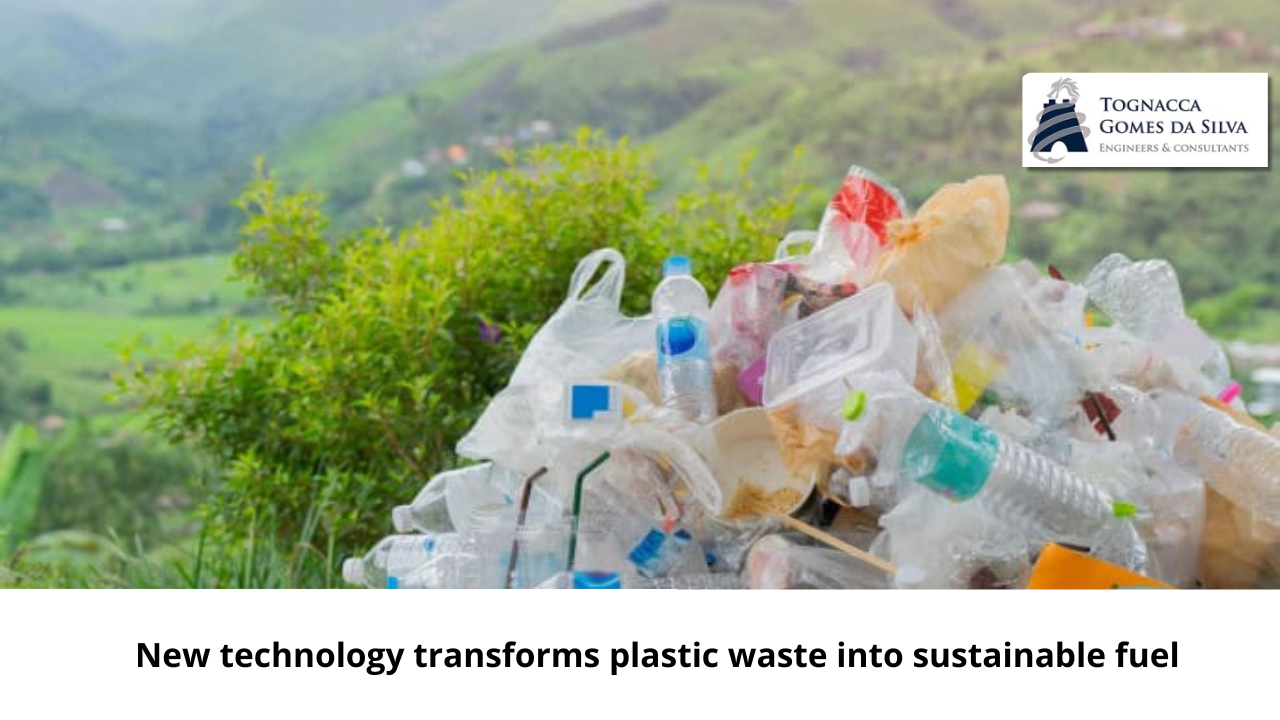



The National Energy Technology Laboratory (NETL) of the U.S. Department of Energy is testing an innovative method to deal with the growing volume of plastic waste.
The approach combines plastics with coal and biomass in a process called steam gasification, which can generate hydrogen-rich synthesis gas, a versatile fuel and valuable chemical input.
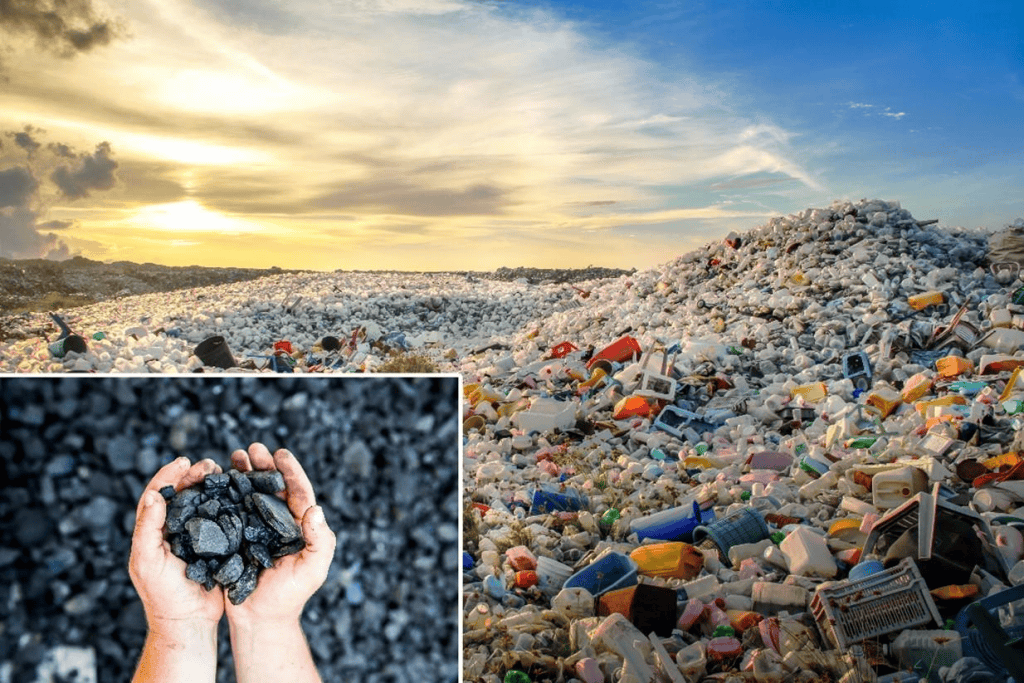
Disposable plastics challenge
- Plastics such as PEBD (bags and packaging) and HDPE (bottles and food containers) represent most of the discarded waste and are difficult to reuse.
- In addition to requiring intense grinding, they produce large amounts of tar during heating, impairing the efficiency of traditional gasification processes.
- The NETL team, led by Ping Wang, found that cogasification with coal waste can solve these problems.
- Minerals present in coal act as natural catalysts, reducing tar formation and making the process more efficient.
- By adjusting the proportions of plastic, coal and biomass, it is possible to optimize the yield and quality of the synthesis gas.
Clean synthesis gas and hydrogen
Transforming discarded plastics into synthesis gas or hydrogen offers a cleaner energy alternative, recovering the energy content of the materials and reducing dependence on fossil fuels.
In addition, the technique can take advantage of coal waste and reduce environmental impacts of mining.
According to Wang, the flexibility of the process allows us to adapt fuel production according to available resources, making it a promising method to face the global crisis of plastic pollution. The findings were published in Fuel magazine.
fontes: Olhar Digital