



The New Digital Geography: Data Centers and Infrastructure Interiorization in Brazil
Brazil is facing a historic opportunity to become a digital hub for Latin America. The advancement of Artificial Intelligence (AI) and the explosion in data processing demand are reshaping the infrastructure map in the country, moving the investment axis beyond traditional large urban centers.
Monumental projects, such as the future R$ 200 billion data center in the Pecém Complex (Ceará), exemplify this trend. The combination of 100% renewable energy and strategic location transforms regions previously peripheral to the digital economy into fundamental pillars of Brazil’s new industrial strategy.
Clean Energy as a Competitive Edge
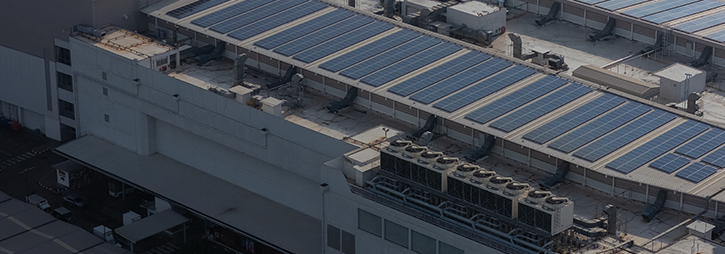
With approximately 90% of its electricity grid being clean, Brazil possesses a rare comparative advantage. While the global low-carbon average is around 30%, Brazilian territory offers the “heavy infrastructure” required by generative AI models, merging sustainability with high computational capacity.
The Reliability Challenge and Interiorization
To sustain operations requiring over 99.99% availability, current debates focus on energy security. This paves the way for interiorization in states like Mato Grosso, Tocantins, and Mato Grosso do Sul, where abundant agribusiness waste can generate biomethane to complement solar and wind sources, ensuring firm 24/7 power.
Regional Development and Legal Framework
The expansion of this infrastructure generates more than just processing power; it creates a virtuous cycle of development. Installing these centers requires improvements in connectivity, substations, and access routes, stimulating entire economic ecosystems and the training of skilled labor across various regions of the country.
