



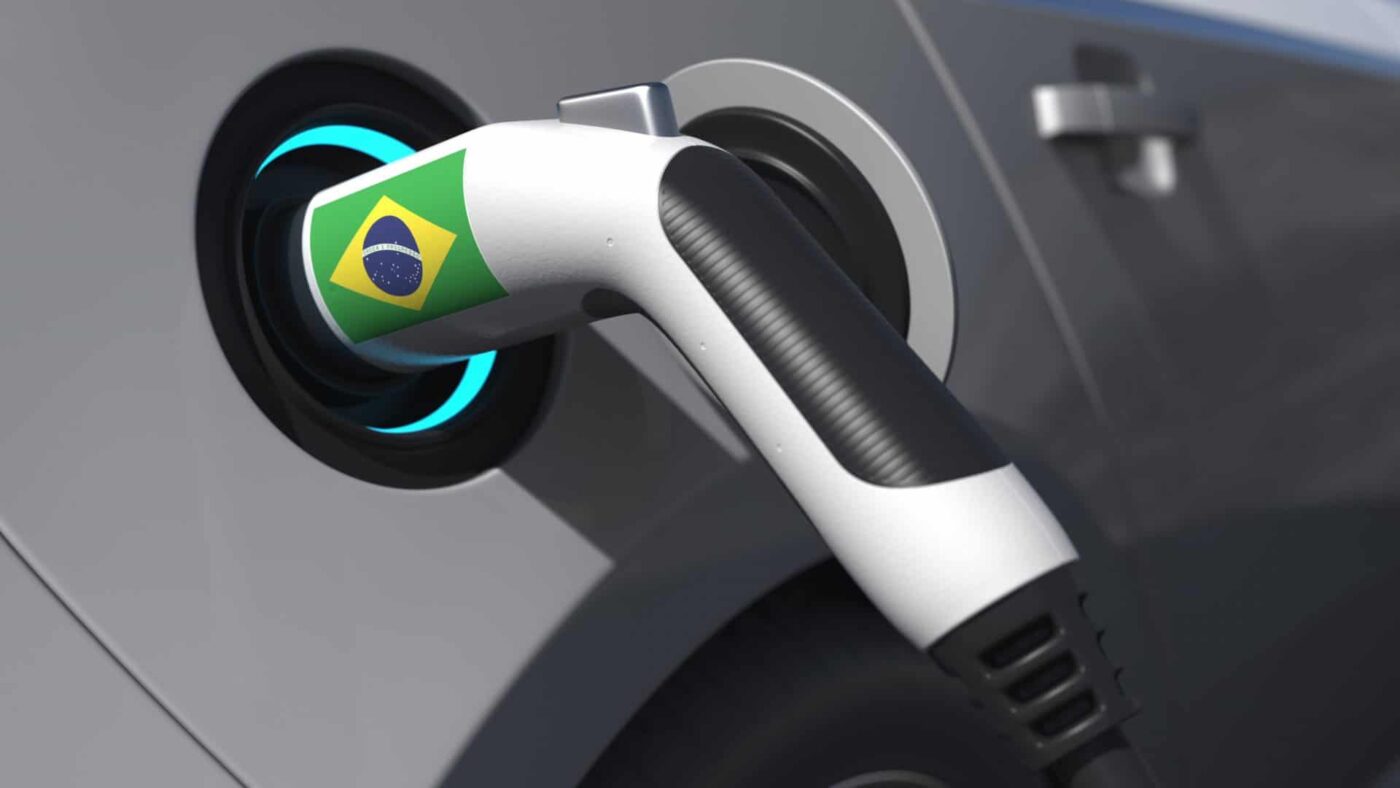
Electrification, Industrial Scale, and the Transformation of the Brazilian Automotive Market
The Brazilian automotive sector is experiencing a historic disruption in 2026. What was once seen as a niche trend or a distant promise has consolidated as the primary growth engine of the national industry. According to recent data from the National Association of Vehicle Manufacturers (Anfavea), the electrified vehicle market started the year at an unprecedented pace, recording a 65.5% growth in the first two months compared to the same period last year.
An Irreversible Statistical Leap
In the first two months of 2026, Brazil reached the mark of 55,961 electrified units registered. This performance is not just a numerical record but an indicator of a structural change in consumer preference. In February alone, electrified models (including pure electrics and hybrids) accounted for 15.9% of all cars sold in the country, with 28,120 units licensed.
The diversification of available technologies has been fundamental to this adoption:
- Conventional Hybrids (HEV): Lead the market with 22,160 units in the two-month period, representing the main gateway to electrification.
- 100% Electric Vehicles (BEV): Totaled 17,531 units, demonstrating a maturation of charging infrastructure and user confidence.
- Plug-in Hybrids (PHEV): Reached 16,270 units, balancing electric range with the versatility of the internal combustion engine.
The Transition to Industrial Scale
The major differentiator of 2026 is the migration from an import model to industrial-scale production within Brazilian territory. For the first time, domestically manufactured electrified vehicles reached a 43% share within their own segment. This reflects heavy investments from automakers that established production hubs in Brazil, such as GWM and BYD, alongside the adaptation of traditional manufacturers.
This nationalization is strategic. It not only reduces exposure to currency fluctuations but also strengthens the local supply chain. The impact is felt from the auto parts sector to the aftermarket, requiring a technical requalification of the entire industrial workforce to handle high-voltage systems and advanced software.
Challenges and the Future of the Sector
Despite the optimism, the transformation requires attention to road and energy infrastructure. Fleet growth must be accompanied by the expansion of fast-charging networks and public policies that encourage decarbonization. Brazil’s role in this new phase of the global industry is shifting from being a mere recipient of technologies to becoming a protagonist in applying sustainable solutions, combining electrification with the potential of biofuels.
