



Artemis 2: Why Did It Take So Long for Astronauts to Return to the Moon?
More than half a century has passed since the last humans walked on the lunar surface during the Apollo 17 mission in 1972. With the launch of the Artemis 2 mission in April 2026, humanity finally returns to the vicinity of our natural satellite with a crew on board. However, an inevitable question arises: why did it take us so long to go back?
The End of the Space Race and Geopolitical Shifts
The motivation for the Apollo program was fundamentally political. During the Cold War, the United States and the Soviet Union competed for technological and ideological supremacy. Reaching the Moon was a demonstration of power. Once the goal was achieved and the “race” was considered won, political interest and massive funding began to decline drastically.
Budgetary Challenges and Economic Priorities
At the height of the Apollo program, NASA received about 4% of the U.S. federal budget. Today, that figure is less than 0.5%. Maintaining a human presence in deep space is extremely expensive, and after the 1970s, the American government’s focus shifted to domestic issues and other, less costly forms of space exploration.
The Space Shuttle Era and the International Space Station (ISS)
For decades, NASA directed its resources toward Low Earth Orbit (LEO). The Space Shuttle program allowed for the construction of the International Space Station and the launch of the Hubble Telescope. While these were magnificent advancements, these missions kept astronauts “tethered” to Earth’s orbit, prioritizing microgravity scientific research and international cooperation over long-distance travel.
Safety and Technological Complexity
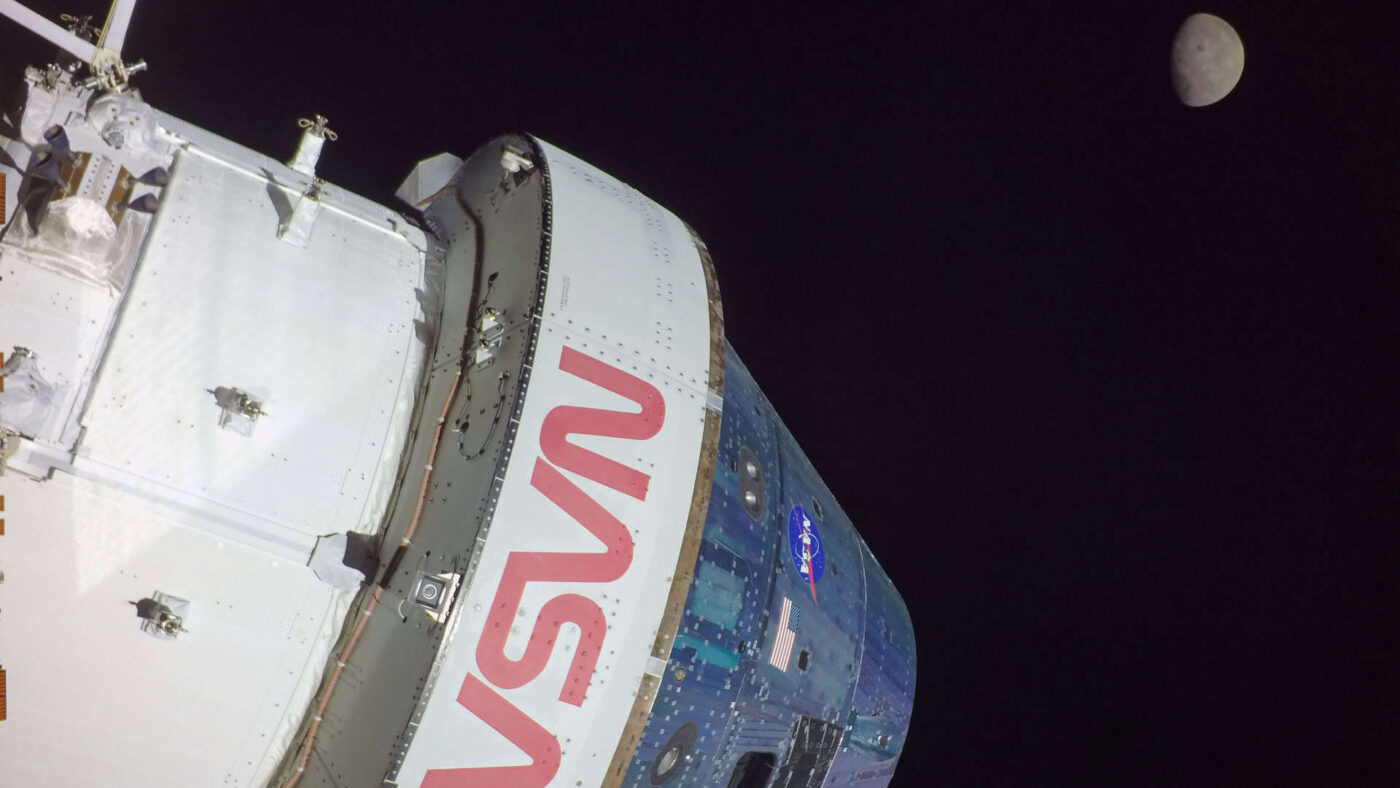
Unlike the Apollo era, where acceptable risks were much higher, Artemis missions operate under modern and rigorous safety standards. The development of the Space Launch System (SLS) rocket and the Orion capsule involved decades of testing to ensure that astronauts could not only reach the Moon but also survive radiation and reentry conditions much more extreme than those faced in low orbit.
The Path to Mars
This time, the goal is not just to leave footprints and plant flags. The Artemis program aims to establish a sustainable presence on the Moon as a testing ground for the true final frontier: Mars. The delay reflects the transition from a “quick visit” to building a complex logistical infrastructure that supports long-term human life in deep space.
