



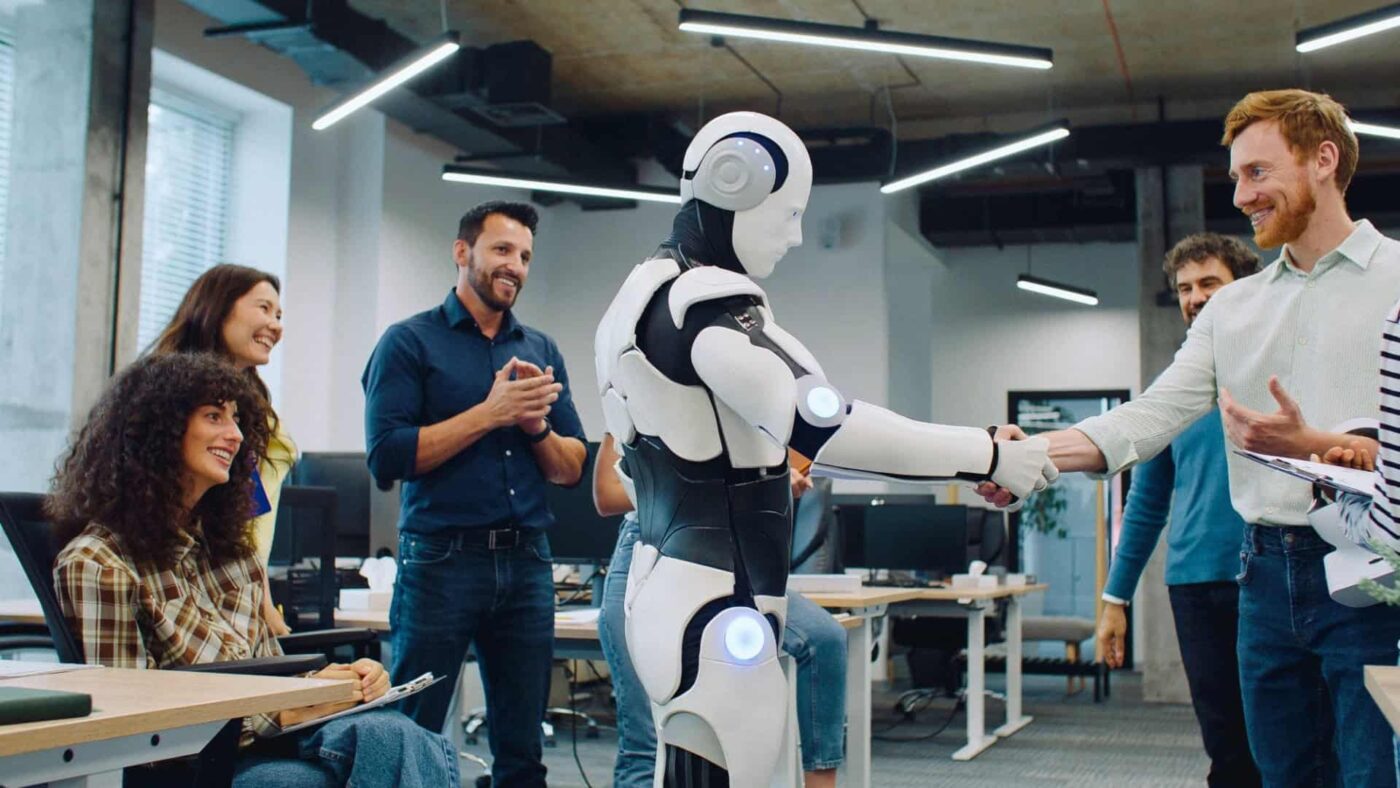
Social Intelligence: The Next Leap in Robotics Evolution
Modern robotics is reaching a new level of sophistication. According to recent research, a robot’s ability to interact fluidly in human environments depends not only on its mechanical precision or processing logic, but on what is known as “Social Intelligence.”
This concept refers to the machines’ ability to interpret nuances of human behavior, such as gestures, implicit intentions, and social norms. Without this layer of understanding, the integration of robots into sectors like healthcare, hospitality, and domestic environments would remain limited and, at times, ineffective.
Why Social Intelligence is Vital?
Unlike an industrial production line where movements are repetitive and the environment is controlled, the real world is dynamic and unpredictable. A socially intelligent robot must anticipate pedestrian paths, understand when to wait for its turn in a conversation, and react appropriately to human emotions.
The Future of Human-Robot Collaboration
The ultimate goal is not to create machines that merely perform tasks, but partners that can collaborate with humans naturally. This involves developing advanced machine learning algorithms that process social signals in real-time, allowing for a harmonious and safe coexistence in the cities of the future.
