



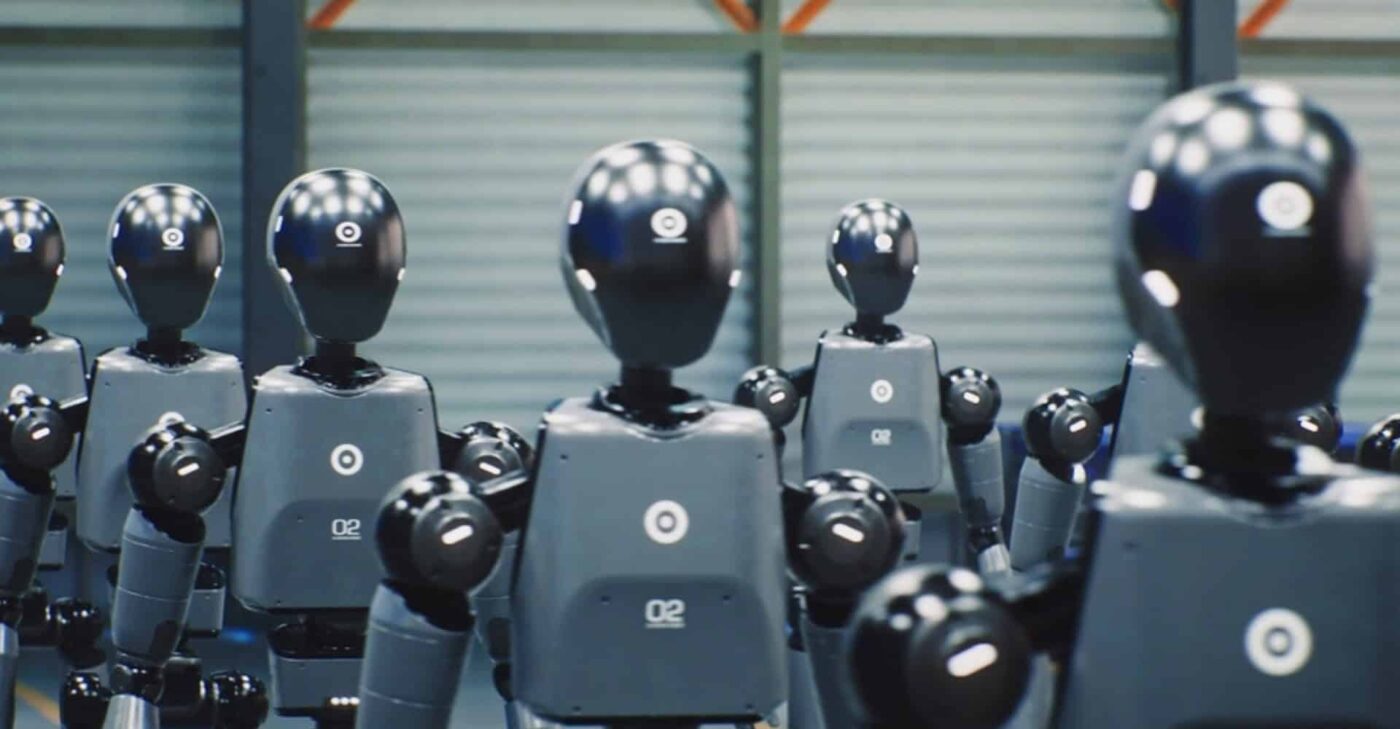
China Bets on Humanoid Robots to Expand Global Industrial Dominance
As of May 2026, China is consolidating one of its most ambitious strategies of the decade: absolute leadership in the production and implementation of humanoid robots. The country’s Ministry of Industry and Information Technology (MIIT) has updated its guidelines, establishing that humanoid robotics will be the next “disruptive technology” to transform the global economy, comparable to the impact smartphones and electric vehicles had in previous years.
Beijing’s Strategic Plan
The Chinese roadmap defines clear goals for 2026 and 2027. The objective is to establish a secure and resilient supply chain system capable of sustaining mass production of humanoid robots. Beijing does not see these robots merely as display machines, but as essential tools to address labor shortages and increase productivity in critical sectors such as advanced manufacturing, logistics, and healthcare.
Brain and Muscle: The Technological Differentiator
The focus of Chinese investment lies in the deep integration between Artificial Intelligence (AI) and robotic hardware. For China, the robot’s “brain”—powered by large language and computer vision models—must be capable of learning complex tasks through observation. Simultaneously, the development of “muscles” (actuators, sensors, and high-precision joints) aims to ensure these machines operate with dexterity increasingly close to that of humans.
Breakthroughs with Fourier Intelligence and UBTECH
Companies like Fourier Intelligence and UBTECH are already testing their humanoid models, such as the GR-1 and Walker S, on electric vehicle assembly lines. These robots perform quality inspections, parts transportation, and bolting tasks that require millimeter precision. The goal is that by the end of 2026, the production cost of these units will drop drastically, allowing for large-scale export to international markets.
Geopolitical Competition
China’s bet places the country on a direct collision course with the United States, where companies like Tesla (with Optimus) and Figure AI are also accelerating their timelines. However, the Chinese advantage lies in massive government support and established industrial infrastructure, which allows for much faster prototyping and manufacturing than anywhere else in the world.
Challenges and Labor Impact
Despite industrial enthusiasm, the transition raises questions about the future of manufacturing jobs. The Chinese government argues that humanoid robots will take over dangerous, repetitive, and physically exhausting tasks, allowing the human workforce to focus on supervision and technical maintenance. However, economic analysts warn of the need for unprecedented professional retraining.
