



El Niño will get very strong and change the climate until 2027
The global climate landscape is about to face severe transformations. On September 3, 2026, international meteorological agencies and climatology experts issued new warnings indicating that the El Niño phenomenon is rapidly gaining strength and is expected to reach extreme intensity in the coming months. This thermal anomaly in the Equatorial Pacific Ocean has the potential to drastically alter temperature and precipitation patterns across the planet until at least the end of 2027.
The Intensification of the Phenomenon
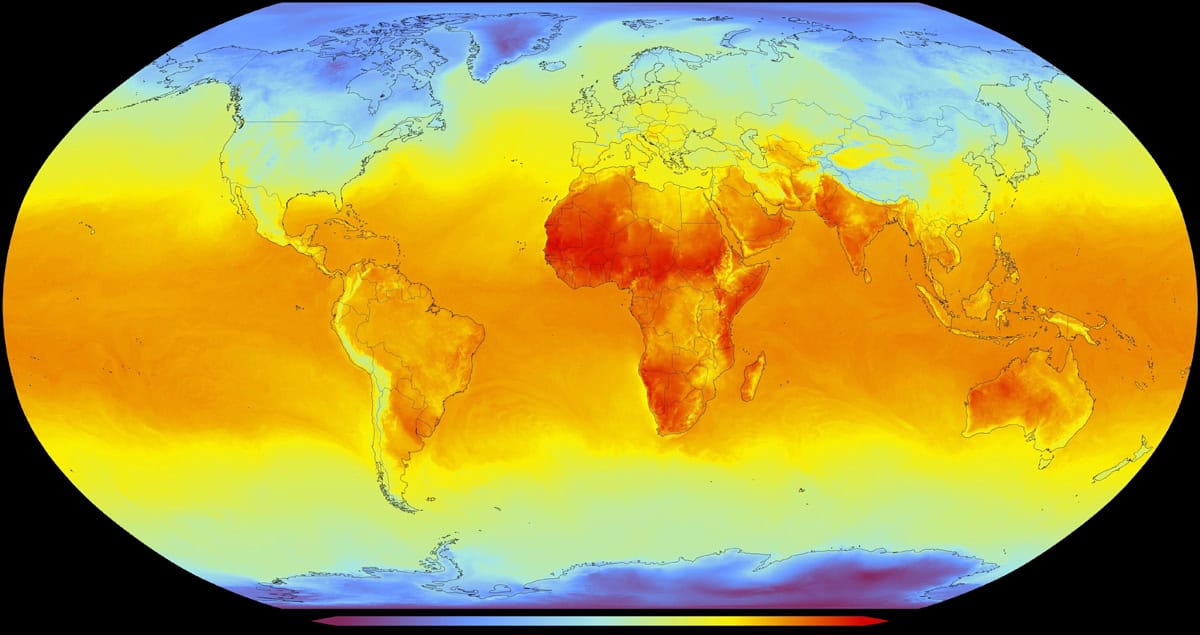
The latest ocean monitoring data shows that sea surface temperatures in the central and eastern portions of the Equatorial Pacific are already considerably above the historical average. According to updated climate models, the anomaly could surpass alarming warming thresholds, setting up an event that meteorologists informally refer to as a “Super El Niño.” This rapid intensification is a clear sign that the global atmospheric system will respond with extreme events, impacting jet streams and zones of high and low pressure.
Global Impacts and Climate Extremes
The configuration of a very strong El Niño brings almost immediate consequences for the distribution of moisture and heat across the globe. Experts point out that the alteration in trade winds will aggressively modify the climate. The main effects on a global scale include:
- Severe droughts in Southeast Asia and Australia, significantly increasing the risk of wildfires and causing massive damage to local agriculture.
- Atypically warm winters and an increase in the frequency of intense storms on the west coast of North America, impacting critical infrastructure.
- Alterations in the monsoon patterns in India and other parts of Asia, which could compromise the drinking water supply and food security for billions of people.
How Brazil Will Be Affected
For the Brazilian territory, the climate changes driven by El Niño are already on the radar of civil and environmental authorities. Historically, the phenomenon causes an atmospheric block that prevents the advance of cold fronts, completely altering the rainfall regime. In the North and Northeast regions, extreme worsening of drought conditions is forecast, which could drastically lower the levels of Amazonian rivers and threaten agricultural crops. In sharp contrast, the Southern region of Brazil must prepare for an excessive volume of rain, worryingly elevating the risk of large-scale floods and landslides over the coming seasons.
Prolonged Consequences Until 2027
The transition from late 2026 to 2027 will be marked by the continuous effects of this climate anomaly. Experts warn that the dissipation of the heat accumulated in the oceans does not occur abruptly. This means that disturbances in the global climate, including extreme heatwaves that have been breaking successive records, will continue to be strongly felt until the second half of 2027. Given this scenario, governments and global markets are being advised to prepare robust contingency plans to deal with losses in hydroelectric power generation and severe fluctuations in global food prices.
